Freight operations face constant pressure to move faster, stay compliant, and manage growing data volumes. Yet many organisations still rely on manual workflows such as emails, spreadsheets, and repetitive data entry to handle critical logistics information. As the industry moves toward digital transformation, reducing manual processes in logistics has become a priority for improving efficiency, accuracy, and scalability. Automated Electronic Data Interchange (EDI) flows are one of the most effective ways to support this shift.
The Challenges of Manual Processes in Freight Operations
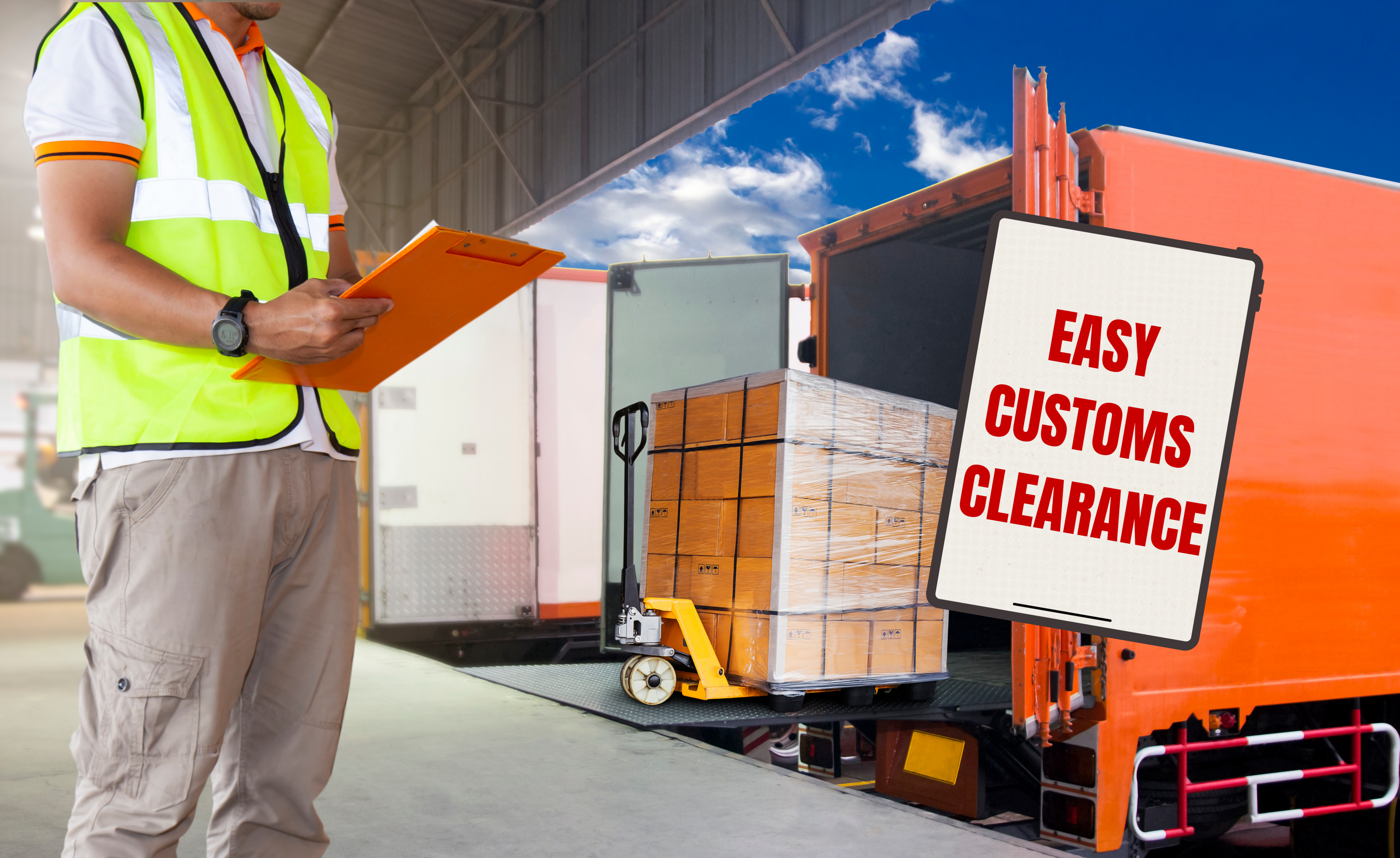
Manual processes have long played a central role in freight operations, especially in environments with multiple stakeholders and varying systems. Operations teams often re-key shipment details, validate documents manually, and submit information through multiple portals. While familiar, these workflows are labour-intensive and highly prone to error. Incorrect codes or missing data increase the risk of delays, rejected submissions, and costly rework. As shipment volumes grow, the strain on operational staff becomes more apparent. In this context, reducing manual processes in logistics supports service levels, regulatory compliance, and long-term operational resilience.
Automated EDI Flows as a Catalyst for Efficiency
Automated EDI flows replace repetitive manual tasks with seamless, system-to-system data exchange.
Freight data is transmitted electronically in standardized formats between shippers, carriers, customs authorities, and port community systems. Transactions such as shipment updates, invoices, and manifests are processed with minimal human intervention. The result is faster turnaround times, fewer errors, and greater consistency across operations.
Automation plays a critical role in reducing manual processes in logistics by eliminating duplicate entry and enabling teams to manage exceptions.
Improved Visibility, Accuracy, and Compliance
Automation also enhances operational visibility and control. EDI transactions can be monitored in real time, acknowledgments tracked, and errors identified early. This transparency supports better decision-making and provides a clear audit trail for compliance. For customs and port submissions, automated validations ensure data meets strict regulatory and formatting requirements before submission. This proactive approach reduces manual intervention while improving overall submission accuracy.
Bridging Systems and Supporting Modern Freight Operations
Despite the benefits of automation, freight ecosystems remain complex. Trading partners often operate different systems and formats, making direct integration challenging. EDI converters help bridge these gaps by transforming data into the formats required by customs and port authorities while maintaining data integrity.
In this environment, solutions like the ADVANTUM EDI Converter make it possible for freight operators to move beyond manual processes without overhauling their existing systems. With secure, cloud-based conversion of freight and customs data into ASYCUDA-ready and PCS-compliant formats, ADVANTUM streamlines submissions, minimises manual effort, and delivers the visibility and control modern operations demand. Tedious data entry and time-consuming uploads are now a thing of the past, through modern digitisation converting documents and submitting manifests can now be done in minutes instead of hours. To see how ADVANTUM can transform your freight operations, request a free one-hour demo with our team of dedicated developers today.