Bridging the Skills Gap in Caribbean Ports and Logistics
Symbe Hutchinson
Across the Caribbean, port and logistics operations are accelerating investments in digital platforms such as port management systems and freight management systems to modernise operations and remain competitive. Yet many of these initiatives fall short of expectations. Technology is moving faster than the workforce can adapt, and this gap is now one of the most significant barriers to digital success.
An aging maritime workforce and rapid technology adoption are converging to create critical skills shortages. Left unaddressed, these gaps undermine operational efficiency, weaken cybersecurity, and limit long-term resilience. Workforce development is no longer a future consideration; it demands immediate action.
Digital Skills Gaps in Ports and Logistics Operations
Modern port and logistics operations depend on digital systems to manage vessel calls, cargo movements, customs clearance, and stakeholder coordination. However, many organisations lack personnel with the skills to fully operate, optimise, and troubleshoot these platforms.
Port management solutions may be deployed, but users often rely on basic functionality while advanced capabilities remain underutilised. Teams collect large volumes of operational data, yet struggle to analyse it or translate insights into decisions. Cybersecurity controls may exist on paper, but inconsistent awareness and weak operational discipline expose organisations to growing cyber risk.
These challenges reflect a clear shortage of practical digital skills across the sector, not a lack of technology.
An Aging Workforce and the Risk of Knowledge Loss
Demographic trends intensify the skills challenge. Experienced maritime professionals carry decades of institutional knowledge, but many approach retirement with limited mechanisms in place to transfer expertise. At the same time, new entrants often receive technical or academic training that fails to integrate maritime operations with digital systems and tools.
Without structured upskilling and knowledge-transfer programs, ports and logistics operators risk losing critical operational insight just as systems grow more complex.
Change Management: The Missing Link in port and logistics workforce development
Technology changes how people work. When organisations overlook this reality, even the most advanced systems struggle to gain traction. New digital platforms often disrupt familiar manual processes, leaving users feeling unprepared or excluded.
Too often, training focuses on system functionality rather than business value. Leaders emphasise deployment timelines instead of adoption outcomes. Communication gaps weaken trust and engagement, while cultural resistance slows progress. The result is predictable: underused systems, frustrated teams, and unrealised returns on investment.
Effective port and logistics workforce development must therefore include structured change management that aligns leadership, users, and operational goals.
Rethinking Training for a Digital Logistics Workforce
The logistics sector must move beyond one-off workshops and generic IT training. Workforce development requires continuous, role-based learning that reflects real operational environments.
System administrators, supervisors, and executives each need different capabilities. Cybersecurity training must address the realities of logistics operations, where human behaviour directly affects operational technology and data integrity. Data literacy must empower staff to interpret dashboards, identify risks, and act on insights with confidence.
Training works best when it evolves alongside systems, processes, and organisational maturity.
Retention Challenges in a Competitive Global Talent Market
Caribbean ports and logistics providers also face intense competition for skilled professionals. Digital, IT, and analytics talent is highly mobile, and global employers actively recruit experienced personnel.
Retention strategies must extend beyond compensation. Clear career pathways, continuous learning opportunities, and involvement in modernisation initiatives help organisations retain talent. Employees stay when they see long-term growth, relevance, and purpose in their roles.
Port and logistics workforce development as a Strategic Priority
Port and logistics workforce development is not a human resources exercise; it is a strategic enabler of digital transformation. Technology investments deliver value only when people have the skills, confidence, and support to use them effectively.
Organisations that align workforce readiness with digital strategy position themselves to improve efficiency, strengthen cybersecurity, and adapt to future disruptions.
How ADVANTUM Supports Port and Logistics Workforce Development
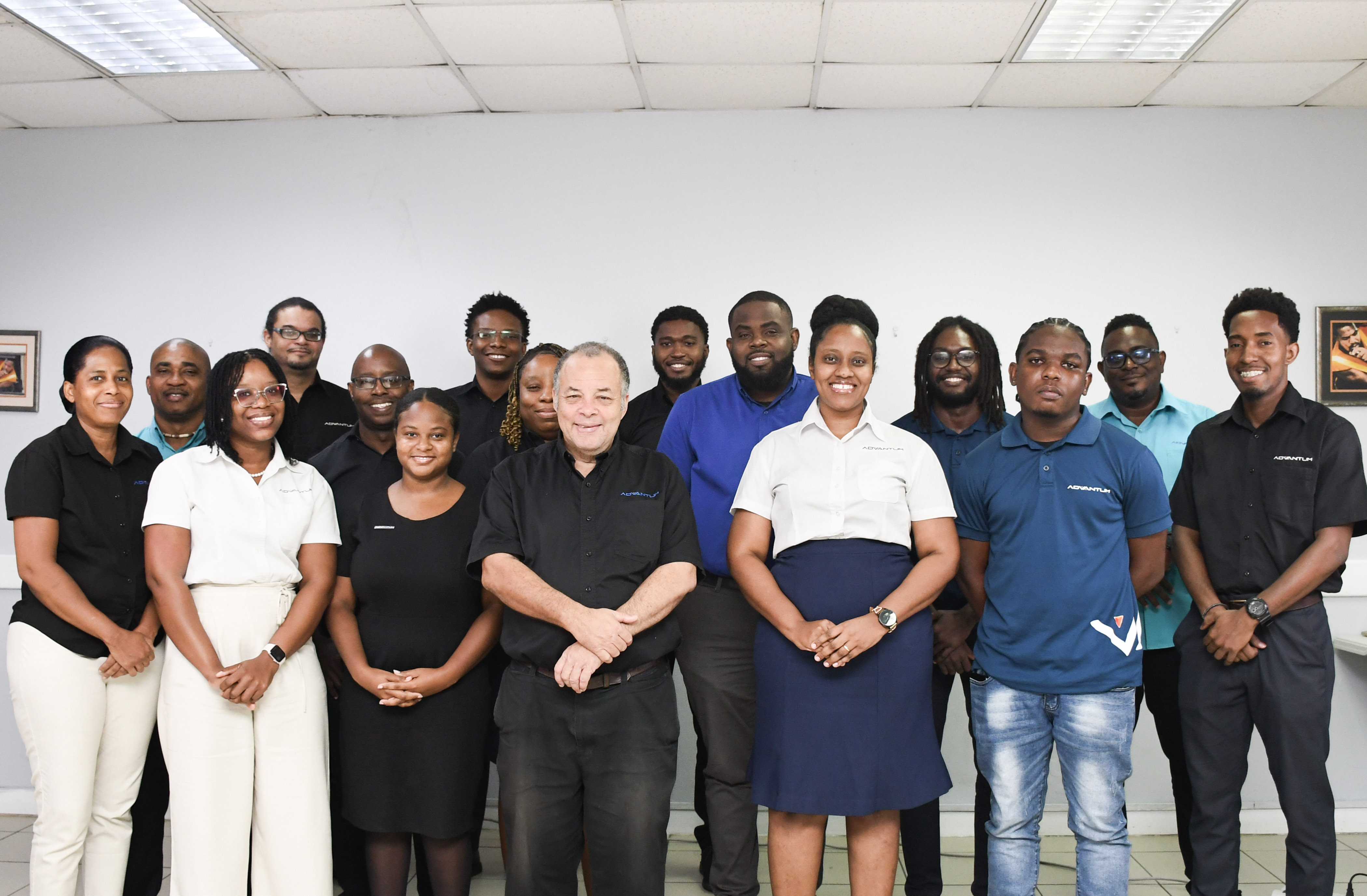
ADVANTUM works with Caribbean ports, governments, and logistics providers to close the gap between technology and human capability. Through targeted training programs, structured change management, and digital transformation advisory services, ADVANTUM helps organisations align people, processes, and platforms.
This integrated approach ensures that investments in port management systems, cybersecurity, and analytics deliver measurable operational improvements, not just new systems.
Digital systems will shape the future of Caribbean logistics, but people will sustain it. To learn more about ADVANTUM’s suite of software solutions and how we can transform your operations, request a free one-hour demo with our team of software developers. Organisations that invest today in workforce development will build more resilient, secure, and competitive supply chains in an increasingly complex global environment.